

Dhaka ⧧⧍:ā§Ēā§Ž āĻĒā§‚āĻ°ā§āĻŦāĻžāĻšā§āύ, āĻŦ⧁āϧāĻŦāĻžāϰ, ā§Ļ⧍ āϏ⧇āĻĒā§āĻŸā§‡āĻŽā§āĻŦāϰ ⧍ā§Ļ⧍ā§Ŧ, ā§§ā§­ āĻ­āĻžāĻĻā§āϰ ā§§ā§Ēā§Šā§Š āĻŦāĻ™ā§āĻ—āĻžāĻŦā§āĻĻ
āĻļāĻŋāϰāύāĻžāĻŽ:
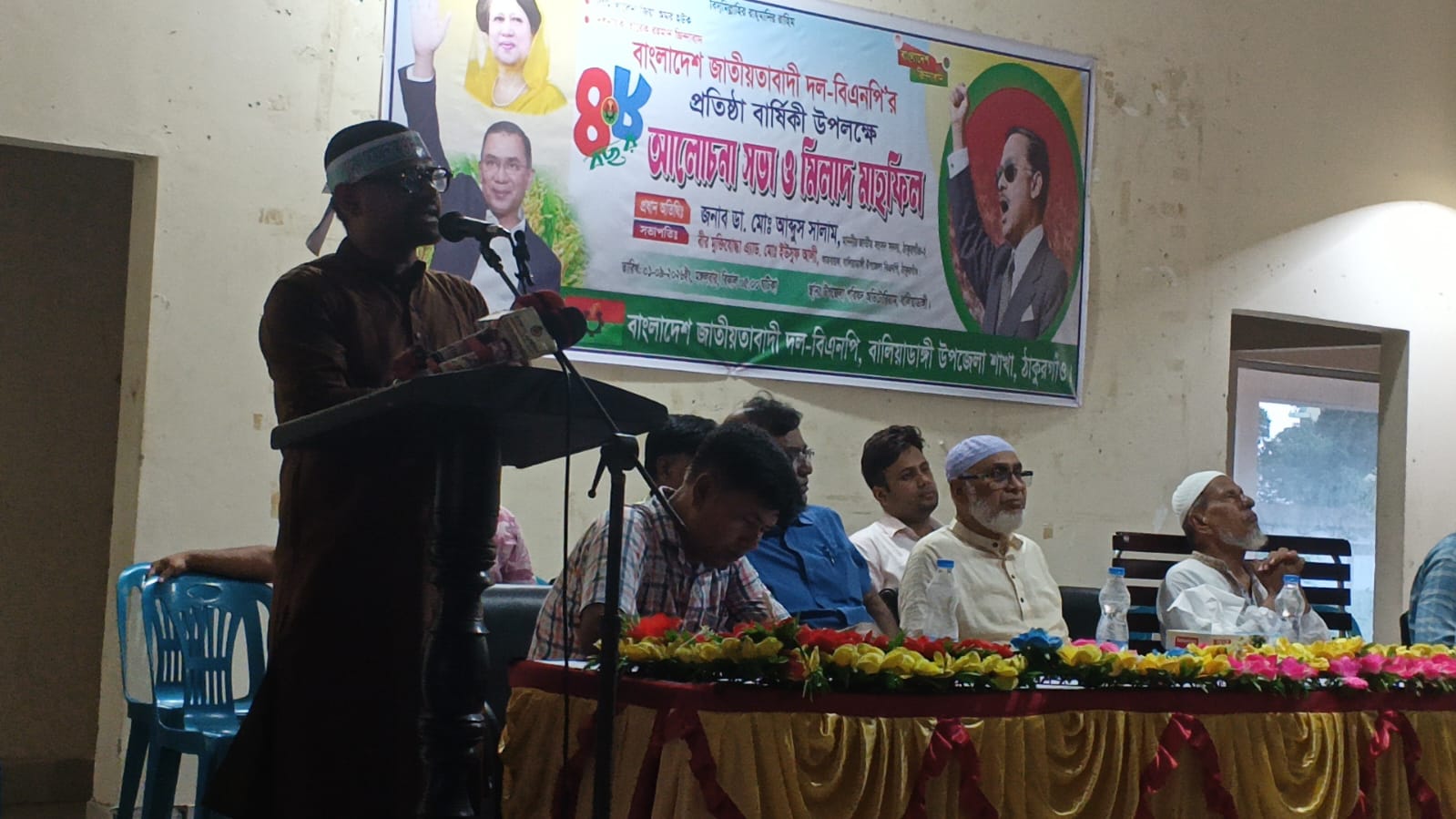
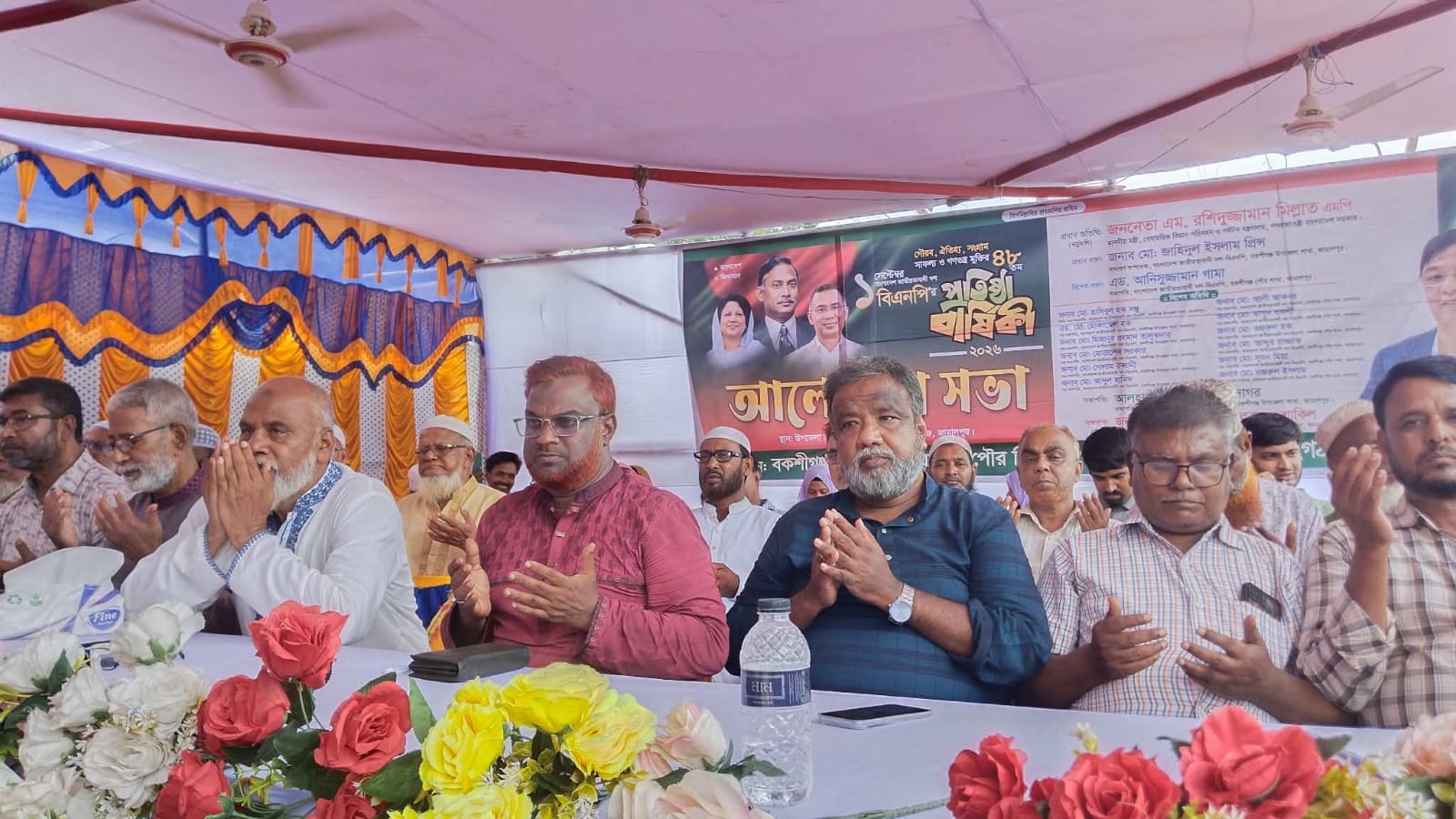
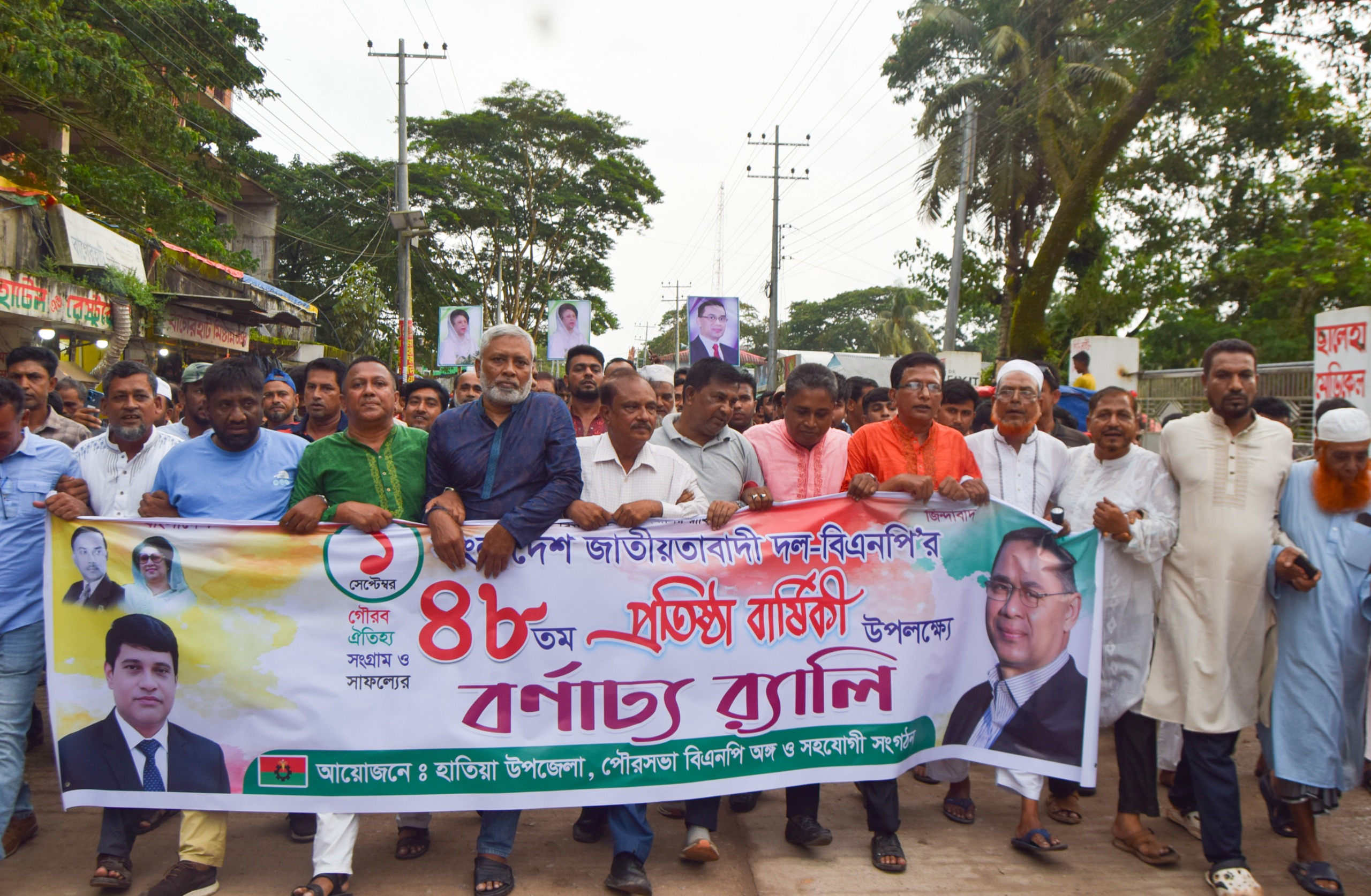
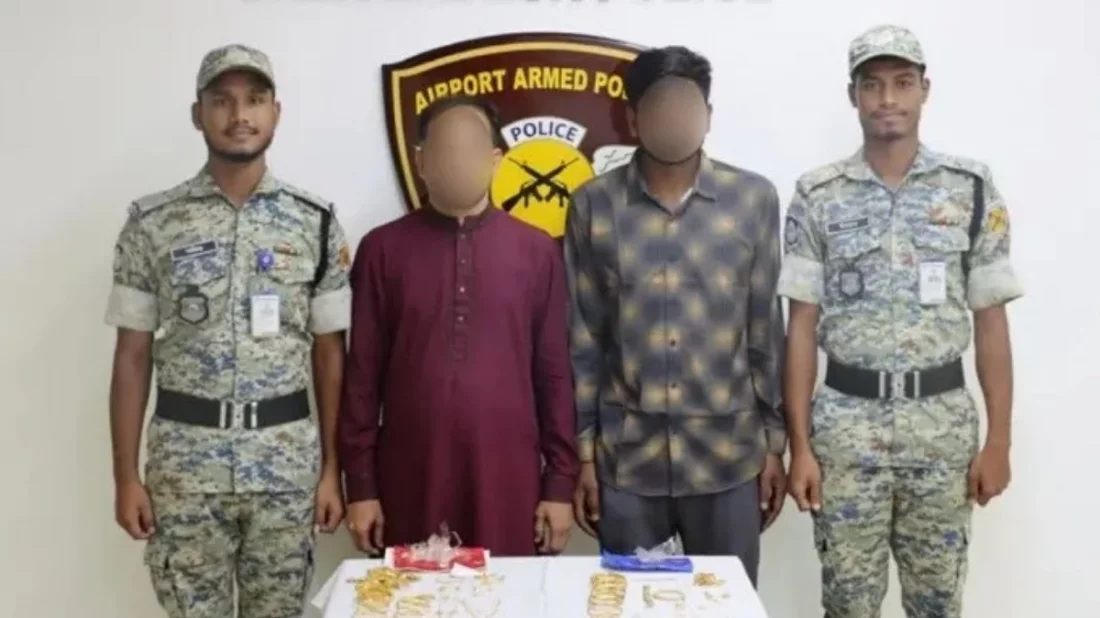
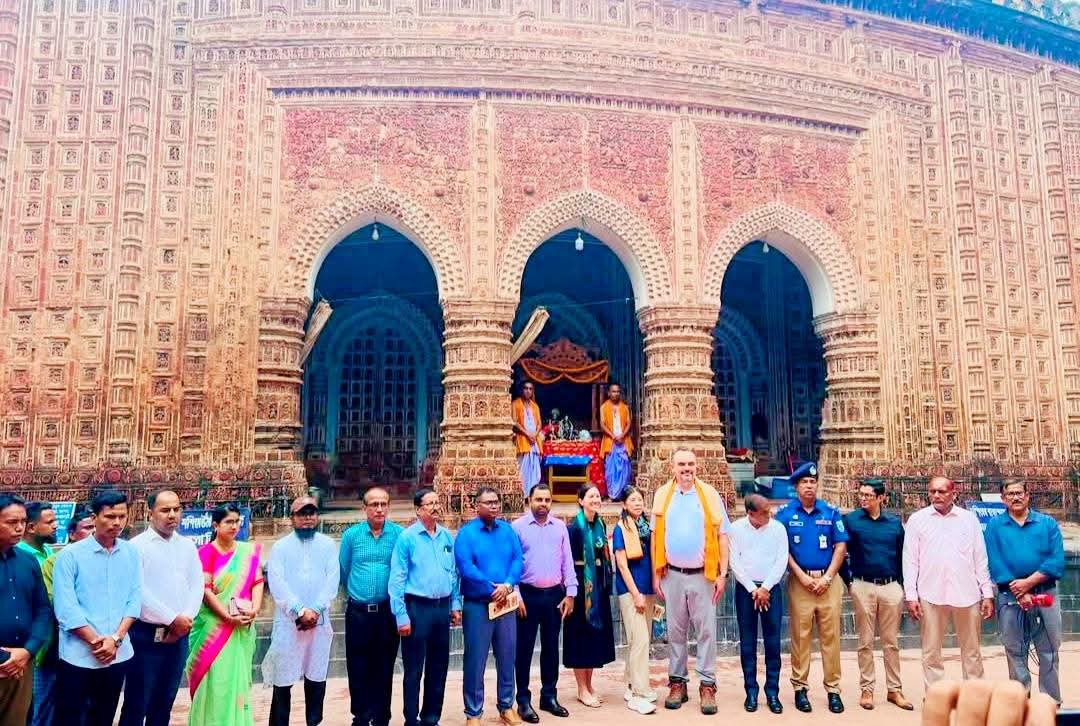
āĻŦāĻŋāĻāύāĻĒāĻŋāϰ ā§Ēā§ŽāϤāĻŽ āĻĒā§āϰāϤāĻŋāĻˇā§āĻ āĻžāĻŦāĻžāĻ°ā§āώāĻŋāϕ⧀āϤ⧇ āĻŦāĻžāϞāĻŋ⧟āĻžāĻĄāĻžāĻ™ā§āĻ—ā§€āϤ⧇ āĻļā§‹āĻ­āĻžāϝāĻžāĻ¤ā§āϰāĻž āĻ“ āϏāĻŽāĻžāĻŦ⧇āĻļ āĻļāĻžāĻšāϜāĻžāϞāĻžāϞ āĻŦāĻŋāĻŽāĻžāύāĻŦāĻ¨ā§āĻĻāϰ⧇ ā§Ēā§Ļ āĻ­āϰāĻŋ āĻ¸ā§āĻŦāĻ°ā§āĻŖāĻžāϞāĻ‚āĻ•āĻžāϰāϏāĻš āφāϟāĻ• ⧍ āĻŦ⧁⧜āĻŋāϚāĻ‚ āĻ•āĻžāϞ⧀āύāĻžāϰāĻžā§ŸāĻŖ āĻŦāĻžāϞāĻŋāĻ•āĻž āωāĻšā§āϚ āĻŦāĻŋāĻĻā§āϝāĻžāĻ˛ā§Ÿā§‡ āĻ•ā§ƒāϤāĻŋ āĻļāĻŋāĻ•ā§āώāĻžāĻ°ā§āĻĨā§€āĻĻ⧇āϰ āϏāĻ‚āĻŦāĻ°ā§āϧāύāĻž āχāĻŽāϰāĻžāύ āĻ–āĻžāύāϕ⧇ āĻāĻ•āĻžāϕ⧀ āĻ•āĻžāϰāĻžāĻŦāĻžāϏ⧇ āύāĻž āϰāĻžāĻ–āĻžāϰ āύāĻŋāĻ°ā§āĻĻ⧇āĻļ āĻĒāĻžāĻ•āĻŋāĻ¸ā§āϤāĻžāύ āĻšāĻžāχāϕ⧋āĻ°ā§āĻŸā§‡āϰ āĻĻāĻŋāύāĻžāϜāĻĒ⧁āϰ⧇āϰ āϐāϤāĻŋāĻšāĻžāϏāĻŋāĻ• āĻ•āĻžāĻ¨ā§āϤāĻœā§€āω āĻŽāĻ¨ā§āĻĻāĻŋāϰ āĻĒāϰāĻŋāĻĻāĻ°ā§āĻļāύ⧇ āĻŽāĻžāĻ°ā§āĻ•āĻŋāύ āϰāĻžāĻˇā§āĻŸā§āϰāĻĻā§‚āϤ āĻŦā§āϰ⧇āĻ¨ā§āϟ āĻ•ā§āϰāĻŋāĻ¸ā§āĻŸā§‡āύāϏ⧇āύ āĻ¸ā§āĻŦāĻžāĻ­āĻžāĻŦāĻŋāĻ• āĻ›āĻ¨ā§āĻĻ⧇ āĻļ⧁āϰ⧁ āĻšā§Ÿā§‡āϛ⧇ āϏāĻŽā§āĻŽāĻŋāϞāĻŋāϤ āχāϏāϞāĻžāĻŽā§€ āĻŦā§āϝāĻžāĻ‚āĻ• āĻĒāĻŋāĻāϞāϏāĻŋāϰ āĻ•āĻžāĻ°ā§āϝāĻ•ā§āϰāĻŽ, āĻ—ā§āϰāĻžāĻšāĻ•āĻĻ⧇āϰ āĻĒā§‚āĻ°ā§āĻŖ āύāĻŋāϰāĻžāĻĒāĻ¤ā§āϤāĻžāϰ āφāĻļā§āĻŦāĻžāϏ āĻšāĻžāϤāĻŋ⧟āĻžā§Ÿ āωāĻĒāĻœā§‡āϞāĻž āĻŦāĻŋāĻāύāĻĒāĻŋāϰ āωāĻĻā§āϝ⧋āϗ⧇ ā§Ēā§ŽāϤāĻŽ āĻĒā§āϰāϤāĻŋāĻˇā§āĻ āĻžāĻŦāĻžāĻ°ā§āώāĻŋāϕ⧀ āĻĒāĻžāϞāĻŋāϤ āĻŦāĻ°ā§āĻŖāĻžāĻĸā§āϝ āĻ†ā§Ÿā§‹āϜāύ⧇ āĻāĻŋāύāĻžāχāĻĻāĻšā§‡ ‘āϏāĻŦ⧁āϜ āĻŦāĻžāĻ‚āϞāĻž āϟāĻŋāĻ­āĻŋ’āϰ āĻĻā§āĻŦāĻŋāĻ¤ā§€ā§Ÿ āĻĒā§āϰāϤāĻŋāĻˇā§āĻ āĻžāĻŦāĻžāĻ°ā§āώāĻŋāϕ⧀ āωāĻĻāϝāĻžāĻĒāύ āĻŽāĻžāύāĻŦāĻŋāĻ•āϤāĻžāϰ āĻĻ⧃āĻˇā§āϟāĻžāĻ¨ā§āϤ āϜ⧁āϞāĻžāχ āϝ⧋āĻĻā§āϧāĻž āϰāĻžāϏ⧇āϞ, āĻĒāĻžāĻļ⧇ āĻĻāĻžāρ⧜āĻžāϞ⧇āύ āĻ…āϏ⧁āĻ¸ā§āĻĨ āĻŽā§‹āĻļāĻžāϰāϰāĻĢ⧇āϰ āĻāĻŋāĻ•āϰāĻ—āĻžāĻ›āĻžā§Ÿ āϏāϰāĻ•āĻžāϰāĻŋ āĻĒāϰāĻŋāĻĒāĻ¤ā§āϰ āωāĻĒ⧇āĻ•ā§āώāĻž āĻ•āϰ⧇ āĻāϤāĻŋāĻŽ āĻ›āĻžāĻ¤ā§āϰ⧀āϕ⧇ āĻŦ⧇āĻ¤ā§āϰāĻžāϘāĻžāϤ⧇āϰ āĻ…āĻ­āĻŋāϝ⧋āĻ—, āϧāĻžāĻŽāĻžāϚāĻžāĻĒāĻžāϰ āĻšā§‡āĻˇā§āϟāĻžāϰ āĻ…āĻ­āĻŋāϝ⧋āĻ—
āĻŦāĻŋāĻœā§āĻžāĻžāĻĒāύ :
āĻœā§‡āϞāĻž-āωāĻĒāĻœā§‡āϞāĻž āĻ“ āĻŦāĻŋāĻ­āĻžāĻ—ā§€ā§Ÿ āĻšā§€āĻĢ āύāĻŋā§Ÿā§‹āĻ— āĻĻā§‡ā§ŸāĻž āĻšāĻšā§āϛ⧇āĨ¤ āϏāĻžāĻ‚āĻŦāĻžāĻĻāĻŋāĻ•āϤāĻžā§Ÿ āφāĻ—ā§āϰāĻšā§€āϰāĻž āĻĻā§āϰ⧁āϤ āϝ⧋āĻ—āĻžāϝ⧋āĻ— āĻ•āϰ⧁āύāĨ¤ āĻĒāϰ⧀āĻ•ā§āώāĻžāĻŽā§‚āϞāĻ• āϏāĻŽā§āĻĒā§āϰāϚāĻžāϰ āĻ“ āύāĻŋāĻŦāĻ¨ā§āϧāύ āĻĒā§āϰāĻ•ā§āϰāĻŋ⧟āĻžāϧ⧀āύ āĨ¤ āϏāĻŽā§āĻĒāĻĻāĻ•-āχāĻŽāĻĻāĻžāĻĻ⧁āϞ āĻšāĻ• āϤ⧈⧟āĻŦ-01711576603, āϏāĻŋāĻ­āĻŋ āĻĒāĻžāĻ āĻžāύ āĻāχ āχāĻŽā§‡āχāϞ⧇- editor.manobjibon@gmail.com

A Call to Conscience: Why Bangladesh Voters Must Say NO and Boycott an Unjust Election

  • Reporter Name
  • āϏāĻŽāϝāĻŧ: ā§Ļ⧝:ā§Ēā§Ŧ:ā§Ļā§Š āĻ…āĻĒāϰāĻžāĻšā§āύ, āĻļāύāĻŋāĻŦāĻžāϰ, ⧍ā§Ē āϜāĻžāύ⧁⧟āĻžāϰ⧀ ⧍ā§Ļ⧍ā§Ŧ
  • ā§§ā§Žā§Ŧ Time View


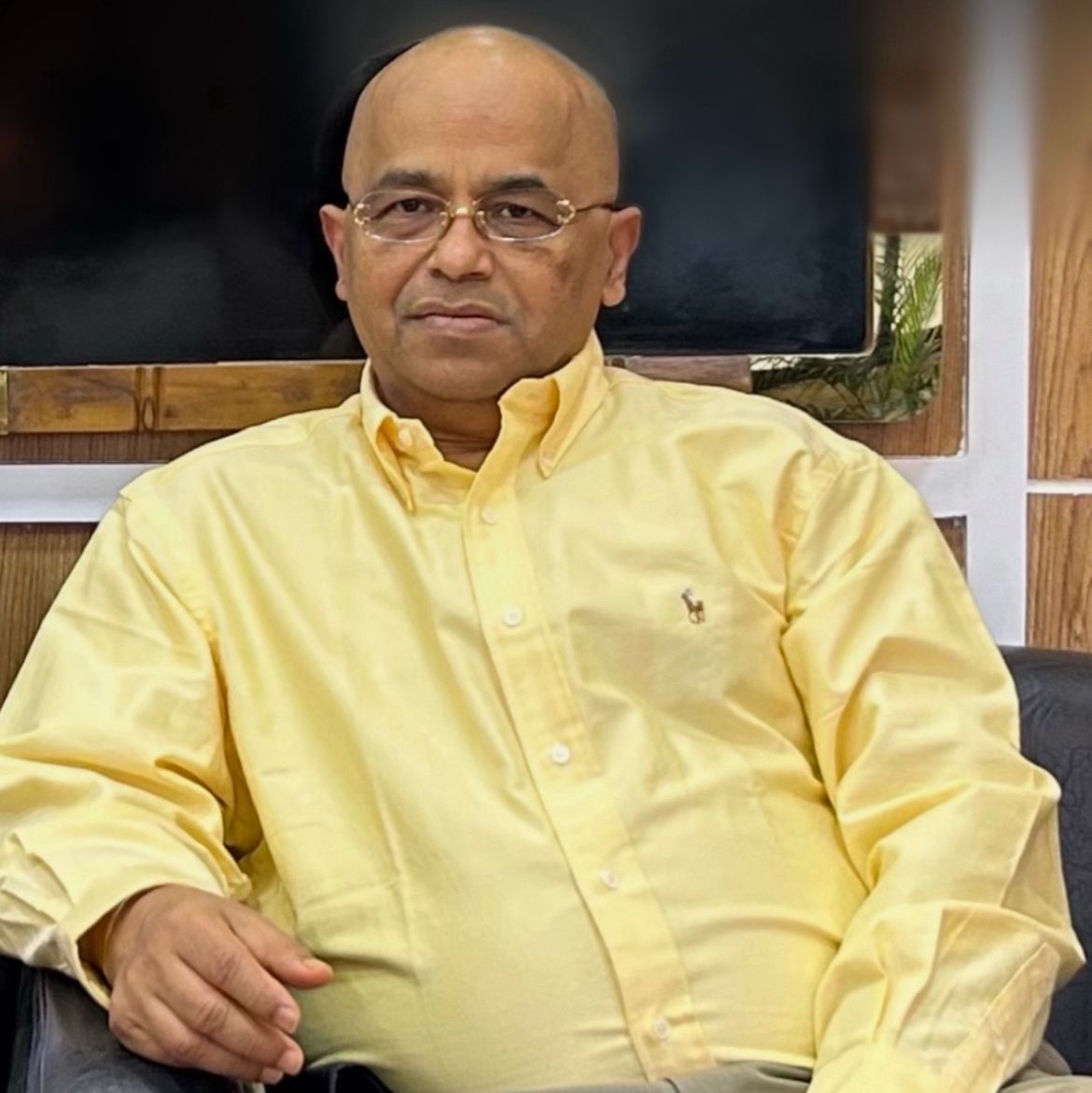
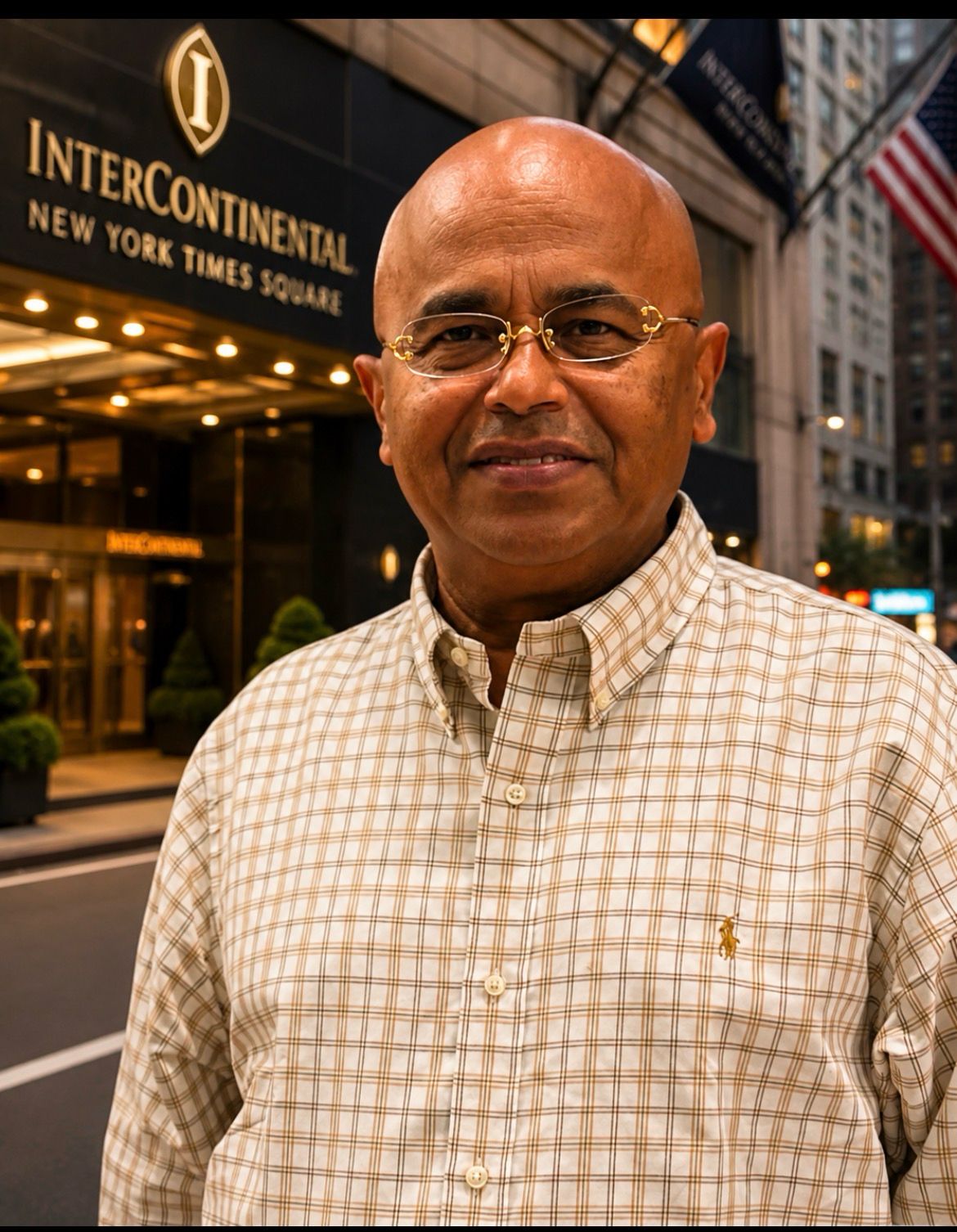
Dr. Mohsin Ali (A Freedom Fighter Commander), New York, USA


On 12 February 2026, the people of Bangladesh are being asked to participate in a general election and a so-called “Yes/No Referendum” conducted under conditions that fundamentally violate democratic norms. The largest political force in the country—supported by nearly 70 percent of voters and historically linked to the Liberation of Bangladesh in 1971—has been banned from participation.

When democracy excludes the people’s majority, voting no longer represents consent. It becomes a performance of legitimacy, not its source.

This article calls upon citizens of Bangladesh—at home and abroad—to peacefully boycott this process and to mark “NO” wherever participation is unavoidable, in defense of history, dignity, justice, and the nation’s future.

Why This Vote Lacks Moral and Democratic Legitimacy
Bangladesh was born through one of the bloodiest liberation struggles in modern history.
* Three million martyrs gave their lives.
* Hundreds of thousands of women endured unspeakable violence.
* Ten million refugees fled to India in search of survival.

Any political process that denies, distorts, or sidelines this fundamental truth betrays the nation’s soul.
A referendum held after banning the party most closely associated with liberation is not a democratic exercise; it is historical erasure by procedure.

What Saying “YES” Truly Means
To say YES under these conditions is not a neutral act. It carries consequences—symbolic, moral, and practical.

YES means:
1. Denying the spirit and meaning of the Independence of 1971
2. Undermining the constitutional foundations rooted in faith, pluralism, and sovereignty
3. Dishonoring the suffering of countless mothers and sisters
4. Insulting the blood of three million martyrs
5. Reopening ideological doors long closed since 1971
6. Normalizing mob rules and political violence
7. Destroying dreams of a stable, prosperous “Golden Bengal.”
8. Encouraging attacks on law enforcement
9. Justifying the looting of state institutions
10. Deceiving citizens with empty promises
11. Normalizing gender-based violence and terror
12. Turning families into targets of humiliation
13. Accepting public lynching and brutal killings
14. Reducing human life to a statistic
15. Attacking places of worship, graves, and shared heritage
16. Disrespecting teachers and education
17. Creating artificial crises for farmers and workers
18. Enabling syndicates over public interest
19. Rewarding deception and political theatrics
20. Allowing corruption to masquerade as success
21. Weakening the justice system
22. Promoting endless litigation and fear
23. Normalizing extortion
24. Silencing dissenting voices
25. Allowing massive financial flights abroad
26. Handing national resources to foreign interests
27. Leasing strategic assets without public consent
28. Disrupting major religious gatherings
29. Humiliating expatriates and migrant workers
30. Risking Bangladesh’s image as a peaceful nation
31. Legitimizing a one-sided political arrangement

āφāϰāĻ“ āĻĒ⧜⧁āύāσ  āχāĻŽāϰāĻžāύ āĻ–āĻžāύāϕ⧇ āĻāĻ•āĻžāϕ⧀ āĻ•āĻžāϰāĻžāĻŦāĻžāϏ⧇ āύāĻž āϰāĻžāĻ–āĻžāϰ āύāĻŋāĻ°ā§āĻĻ⧇āĻļ āĻĒāĻžāĻ•āĻŋāĻ¸ā§āϤāĻžāύ āĻšāĻžāχāϕ⧋āĻ°ā§āĻŸā§‡āϰ

A YES vote is not a vote for stability—it is a vote for amnesia.

Why Boycott Is a Moral Act
When a system is structured to deny genuine choice, non-participation becomes a form of protest. History—from South Asia to Africa, from Latin America to Eastern Europe- shows that boycotting can be a powerful, peaceful civic tool.

Boycotting this vote does not mean rejecting democracy.
It means defending democracy from misuse.

Say NO—for Life, Honor, and the Republic
This is not a call to violence.

This is a call to conscience, courage, and peaceful resistance.
* Protect life, not lawlessness
* Protect honor, not humiliation
* Protect property, not plundering
* Protect the Republic, not manufactured consent
If participation is unavoidable, mark “NO.”
If conscience allows, boycott peacefully.

Ask yourself—quietly, honestly:
Is this the Bangladesh our martyrs dreamed of?
Is this the democracy our mothers suffered for?
Is silence now safer than truth?

Final Appeal
Democracy is not preserved by rituals alone.
It survives through memory, inclusion, justice, and moral clarity.
On 12 February 2026, let Bangladesh speak—not through fear, but through principle.

Say NO to a rigged process.
Say NO to historical erasure.
Say NO to mob rule.
Say NO—with dignity.


Joy Bangla, Joy Bangabandhu.

Wednesday, January 21, 2026

Tag :
āϜāύāĻĒā§āϰāĻŋ⧟ āύāĻŋāωāϜ

āĻŦāĻŋāĻāύāĻĒāĻŋāϰ ā§Ēā§ŽāϤāĻŽ āĻĒā§āϰāϤāĻŋāĻˇā§āĻ āĻžāĻŦāĻžāĻ°ā§āώāĻŋāϕ⧀āϤ⧇ āĻŦāĻžāϞāĻŋ⧟āĻžāĻĄāĻžāĻ™ā§āĻ—ā§€āϤ⧇ āĻļā§‹āĻ­āĻžāϝāĻžāĻ¤ā§āϰāĻž āĻ“ āϏāĻŽāĻžāĻŦ⧇āĻļ

A Call to Conscience: Why Bangladesh Voters Must Say NO and Boycott an Unjust Election

āϏāĻŽāϝāĻŧ: ā§Ļ⧝:ā§Ēā§Ŧ:ā§Ļā§Š āĻ…āĻĒāϰāĻžāĻšā§āύ, āĻļāύāĻŋāĻŦāĻžāϰ, ⧍ā§Ē āϜāĻžāύ⧁⧟āĻžāϰ⧀ ⧍ā§Ļ⧍ā§Ŧ


Dr. Mohsin Ali (A Freedom Fighter Commander), New York, USA


On 12 February 2026, the people of Bangladesh are being asked to participate in a general election and a so-called “Yes/No Referendum” conducted under conditions that fundamentally violate democratic norms. The largest political force in the country—supported by nearly 70 percent of voters and historically linked to the Liberation of Bangladesh in 1971—has been banned from participation.

When democracy excludes the people’s majority, voting no longer represents consent. It becomes a performance of legitimacy, not its source.

This article calls upon citizens of Bangladesh—at home and abroad—to peacefully boycott this process and to mark “NO” wherever participation is unavoidable, in defense of history, dignity, justice, and the nation’s future.

Why This Vote Lacks Moral and Democratic Legitimacy
Bangladesh was born through one of the bloodiest liberation struggles in modern history.
* Three million martyrs gave their lives.
* Hundreds of thousands of women endured unspeakable violence.
* Ten million refugees fled to India in search of survival.

Any political process that denies, distorts, or sidelines this fundamental truth betrays the nation’s soul.
A referendum held after banning the party most closely associated with liberation is not a democratic exercise; it is historical erasure by procedure.

What Saying “YES” Truly Means
To say YES under these conditions is not a neutral act. It carries consequences—symbolic, moral, and practical.

YES means:
1. Denying the spirit and meaning of the Independence of 1971
2. Undermining the constitutional foundations rooted in faith, pluralism, and sovereignty
3. Dishonoring the suffering of countless mothers and sisters
4. Insulting the blood of three million martyrs
5. Reopening ideological doors long closed since 1971
6. Normalizing mob rules and political violence
7. Destroying dreams of a stable, prosperous “Golden Bengal.”
8. Encouraging attacks on law enforcement
9. Justifying the looting of state institutions
10. Deceiving citizens with empty promises
11. Normalizing gender-based violence and terror
12. Turning families into targets of humiliation
13. Accepting public lynching and brutal killings
14. Reducing human life to a statistic
15. Attacking places of worship, graves, and shared heritage
16. Disrespecting teachers and education
17. Creating artificial crises for farmers and workers
18. Enabling syndicates over public interest
19. Rewarding deception and political theatrics
20. Allowing corruption to masquerade as success
21. Weakening the justice system
22. Promoting endless litigation and fear
23. Normalizing extortion
24. Silencing dissenting voices
25. Allowing massive financial flights abroad
26. Handing national resources to foreign interests
27. Leasing strategic assets without public consent
28. Disrupting major religious gatherings
29. Humiliating expatriates and migrant workers
30. Risking Bangladesh’s image as a peaceful nation
31. Legitimizing a one-sided political arrangement

āφāϰāĻ“ āĻĒ⧜⧁āύāσ  āχāĻŽāϰāĻžāύ āĻ–āĻžāύāϕ⧇ āĻāĻ•āĻžāϕ⧀ āĻ•āĻžāϰāĻžāĻŦāĻžāϏ⧇ āύāĻž āϰāĻžāĻ–āĻžāϰ āύāĻŋāĻ°ā§āĻĻ⧇āĻļ āĻĒāĻžāĻ•āĻŋāĻ¸ā§āϤāĻžāύ āĻšāĻžāχāϕ⧋āĻ°ā§āĻŸā§‡āϰ

A YES vote is not a vote for stability—it is a vote for amnesia.

Why Boycott Is a Moral Act
When a system is structured to deny genuine choice, non-participation becomes a form of protest. History—from South Asia to Africa, from Latin America to Eastern Europe- shows that boycotting can be a powerful, peaceful civic tool.

Boycotting this vote does not mean rejecting democracy.
It means defending democracy from misuse.

Say NO—for Life, Honor, and the Republic
This is not a call to violence.

This is a call to conscience, courage, and peaceful resistance.
* Protect life, not lawlessness
* Protect honor, not humiliation
* Protect property, not plundering
* Protect the Republic, not manufactured consent
If participation is unavoidable, mark “NO.”
If conscience allows, boycott peacefully.

Ask yourself—quietly, honestly:
Is this the Bangladesh our martyrs dreamed of?
Is this the democracy our mothers suffered for?
Is silence now safer than truth?

Final Appeal
Democracy is not preserved by rituals alone.
It survives through memory, inclusion, justice, and moral clarity.
On 12 February 2026, let Bangladesh speak—not through fear, but through principle.

Say NO to a rigged process.
Say NO to historical erasure.
Say NO to mob rule.
Say NO—with dignity.


Joy Bangla, Joy Bangabandhu.

Wednesday, January 21, 2026