


Dhaka ā§§ā§Ļ:ā§Ģā§Š āĻĒā§‚āĻ°ā§āĻŦāĻžāĻšā§āύ, āĻļ⧁āĻ•ā§āϰāĻŦāĻžāϰ, ā§§ā§Ŧ āĻ…āĻ•ā§āĻŸā§‹āĻŦāϰ ⧍ā§Ļ⧍ā§Ŧ, ā§§ āĻ•āĻžāĻ°ā§āϤāĻŋāĻ• ā§§ā§Ēā§Šā§Š āĻŦāĻ™ā§āĻ—āĻžāĻŦā§āĻĻ
āĻļāĻŋāϰāύāĻžāĻŽ:
āĻ•āĻžāϞ⧀āĻ—āĻžā§āĻœā§‡ āĻĻ⧁āĻ°ā§āĻ—āĻžāĻĒā§‚āϜāĻžāϰ āύāĻŋāϰāĻžāĻĒāĻ¤ā§āϤāĻžā§Ÿ āφāύāϏāĻžāϰ-āĻ­āĻŋāĻĄāĻŋāĻĒāĻŋāϕ⧇ āĻāĻŽāĻĒāĻŋ āĻŽāĻŋāϞāύ⧇āϰ āĻĻāĻŋāĻ•āύāĻŋāĻ°ā§āĻĻ⧇āĻļāύāĻž āύāϰāϏāĻŋāĻ‚āĻĻā§€āϰ āĻ—āĻ°ā§āĻŦ āĻšāĻžāϤāĻŦāĻŋāĻšā§€āύ “āĻĻ⧁āσāϖ⧁ āĻŽāĻŋāϝāĻŧāĻž ” āĻ…āĻĻāĻŽā§āϝ āĻŽāύ⧋āĻŦāϞ⧇ āĻœā§āĻŦāĻžāϞāĻŋāϝāĻŧ⧇āϛ⧇āύ āĻļāĻŋāĻ•ā§āώāĻžāϰ āφāϞ⧋” āĻļāĻŋāĻ•ā§āώāĻ•, āĻļāĻŋāĻ•ā§āώāĻŋāĻ•āĻž āĻ•āϰ⧇ āĻŽāĻžāĻĻāĻ• āĻŦā§āϝāĻŦāϏāĻž āĻļā§āϰ⧀āĻĒ⧁āϰ⧇ āϜāĻŽāĻŋ āĻĻāĻ–āϞ⧇āϰ āĻšā§‡āĻˇā§āϟāĻž, āψāĻĻāĻ—āĻžāĻš āĻŽāĻžāϠ⧇āϰ āϏāĻžāχāύāĻŦā§‹āĻ°ā§āĻĄ āĻ­āĻžāĻ™āϚ⧁āϰ⧇āϰ āĻ…āĻ­āĻŋāϝ⧋āĻ— āϏāĻŽā§ƒāĻĻā§āϧ āĻ“ āĻŦ⧈āώāĻŽā§āϝāĻšā§€āύ āĻŦāĻžāĻ‚āϞāĻžāĻĻ⧇āĻļ āĻ—ā§œāϤ⧇ āĻĒā§āĻ°ā§Ÿā§‹āϜāĻ¨ā§€ā§Ÿ āϏāĻŦ āĻĒāĻĻāĻ•ā§āώ⧇āĻĒ āύ⧇āĻŦ⧇ āϏāϰāĻ•āĻžāϰ: āĻāĻŽāĻĒāĻŋ āĻĢāϜāϞ⧁āϞ āĻšāĻ• āĻŽāĻŋāϞāύ āĻļāĻžāϰāĻĻā§€āϝāĻŧ āĻĻ⧁āĻ°ā§āĻ—āĻžāĻĒā§‚āϜāĻž āωāĻĒāϞāĻ•ā§āώ⧇ āĻŦāĻžāĻ¨ā§āĻĻāϰāĻŦāĻžāύ āϏ⧇āύāĻž āĻœā§‹āύ⧇āϰ āφāĻ°ā§āĻĨāĻŋāĻ• āĻ…āύ⧁āĻĻāĻžāύ āĻĒā§āϰāĻĻāĻžāύ: āϏāĻŽā§āĻĒā§āϰ⧀āϤāĻŋ, āĻŽāĻžāύāĻŦāĻŋāĻ•āϤāĻž āĻ“ āϜāύāĻ•āĻ˛ā§āϝāĻžāϪ⧇ āĻŦāĻžāĻ‚āϞāĻžāĻĻ⧇āĻļ āϏ⧇āύāĻžāĻŦāĻžāĻšāĻŋāύ⧀ āĻŽāĻšāĻĒāϰāĻŋāϚāĻžāϞāĻ• āĻŦāϰāĻžāĻŦāϰ āĻĒāϞāĻžāĻļāĻŦāĻžā§œā§€ āĻĒāĻ˛ā§āϞ⧀ āωāĻ¨ā§āύ⧟āύ āĻ•āĻ°ā§āĻŽāĻ•āĻ°ā§āϤāĻžāϰ āĻĻā§‚āĻ°ā§āĻŖā§€āϤāĻŋāϰ āĻ…āĻ­āĻŋāϝ⧋āĻ—āĻ•āĻžāϰ⧀āϕ⧇ āĻŽāĻžāĻŽāϞāĻžā§Ÿ āĻĢāĻžāρāϏāĻŋā§Ÿā§‡ āĻœā§‡āϞ⧇ āĻĒāĻžāĻ āĻžāύ⧋āϰ āĻ…āĻ­āĻŋāϝ⧋āĻ— āφāĻĻāĻŽāĻĻā§€āϘāĻŋāϤ⧇ āĻĻ⧁āĻ°ā§āĻ—āĻžāĻĒā§‚āϜāĻž āĻŽāĻŖā§āĻĄāĻĒ⧇ āφāĻ°ā§āĻĨāĻŋāĻ• āϏāĻšāĻžā§ŸāϤāĻž āĻ“ āϏāĻŋāϏāĻŋāϟāĻŋāĻ­āĻŋ āĻ•ā§āϝāĻžāĻŽā§‡āϰāĻž āĻĻāĻŋāϞ⧇āύ āĻāĻŽāĻĒāĻŋ āĻŽāĻšāĻŋāϤ āĻāĻŋāύāĻžāχāĻĻāĻšā§‡ āϏāĻžāχāĻŦāĻžāϰ āϏ⧇āϞ⧇āϰ āĻ…āĻ­āĻŋāϝāĻžāύ⧇ ā§§ā§Ļā§Ē āĻŽā§‹āĻŦāĻžāχāϞ āĻ“ ā§Ģā§Š āĻšāĻžāϜāĻžāϰ āϟāĻžāĻ•āĻž āωāĻĻā§āϧāĻžāϰ āϝ⧇ āωāĻ¸ā§āϤāĻžāĻĻ āĻļāĻŋāĻ–āĻŋā§Ÿā§‡āϛ⧇āύ āϕ⧋āϰāφāύ, āϏ⧇āχ āωāĻ¸ā§āϤāĻžāĻĻāϕ⧇āχ āĻ“āĻŽāϰāĻžāĻšāϰ āωāĻĒāĻšāĻžāϰ āĻĻāĻŋāϞ⧇āύ āĻ›āĻžāĻ¤ā§āϰāϰāĻžâ€
āĻŦāĻŋāĻœā§āĻžāĻžāĻĒāύ :
āĻœā§‡āϞāĻž-āωāĻĒāĻœā§‡āϞāĻž āĻ“ āĻŦāĻŋāĻ­āĻžāĻ—ā§€ā§Ÿ āĻšā§€āĻĢ āύāĻŋā§Ÿā§‹āĻ— āĻĻā§‡ā§ŸāĻž āĻšāĻšā§āϛ⧇āĨ¤ āϏāĻžāĻ‚āĻŦāĻžāĻĻāĻŋāĻ•āϤāĻžā§Ÿ āφāĻ—ā§āϰāĻšā§€āϰāĻž āĻĻā§āϰ⧁āϤ āϝ⧋āĻ—āĻžāϝ⧋āĻ— āĻ•āϰ⧁āύāĨ¤ āĻĒāϰ⧀āĻ•ā§āώāĻžāĻŽā§‚āϞāĻ• āϏāĻŽā§āĻĒā§āϰāϚāĻžāϰ āĻ“ āύāĻŋāĻŦāĻ¨ā§āϧāύ āĻĒā§āϰāĻ•ā§āϰāĻŋ⧟āĻžāϧ⧀āύ āĨ¤ āϏāĻŽā§āĻĒāĻĻāĻ•-āχāĻŽāĻĻāĻžāĻĻ⧁āϞ āĻšāĻ• āϤ⧈⧟āĻŦ-01711576603, āϏāĻŋāĻ­āĻŋ āĻĒāĻžāĻ āĻžāύ āĻāχ āχāĻŽā§‡āχāϞ⧇- editor.manobjibon@gmail.com

Distribution of Ramadan food pack by Allama Dubagi (RA) Trust

  • Reporter Name
  • āϏāĻŽāϝāĻŧ: ā§Ļā§Ģ:⧍ā§Ē:ā§Ēā§Ē āĻĒā§‚āĻ°ā§āĻŦāĻžāĻšā§āύ, āĻŦ⧁āϧāĻŦāĻžāϰ, ā§§ā§Ž āĻŽāĻžāĻ°ā§āϚ ⧍ā§Ļ⧍ā§Ŧ
  • ā§§ā§­ā§Ŧ Time View


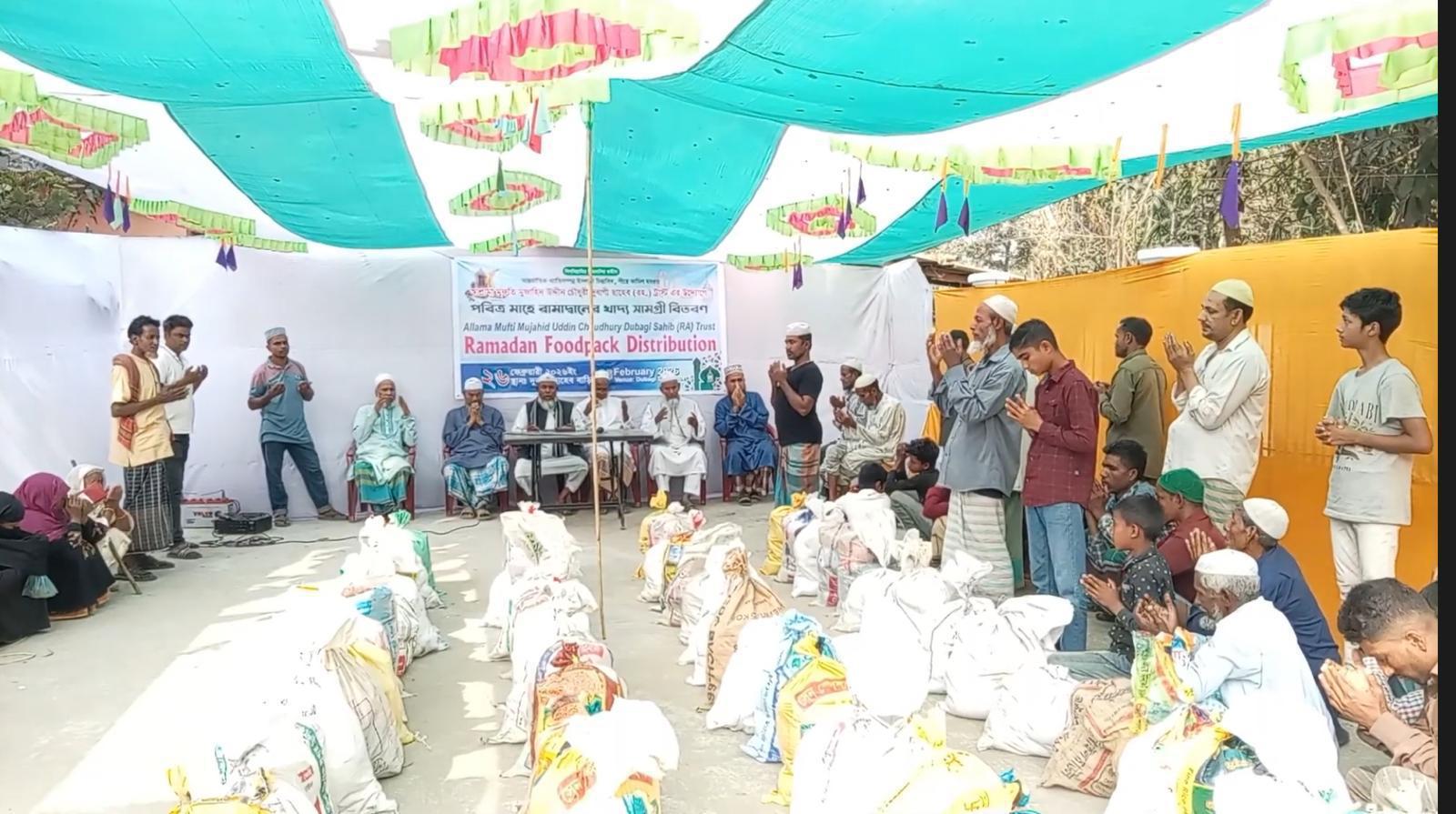
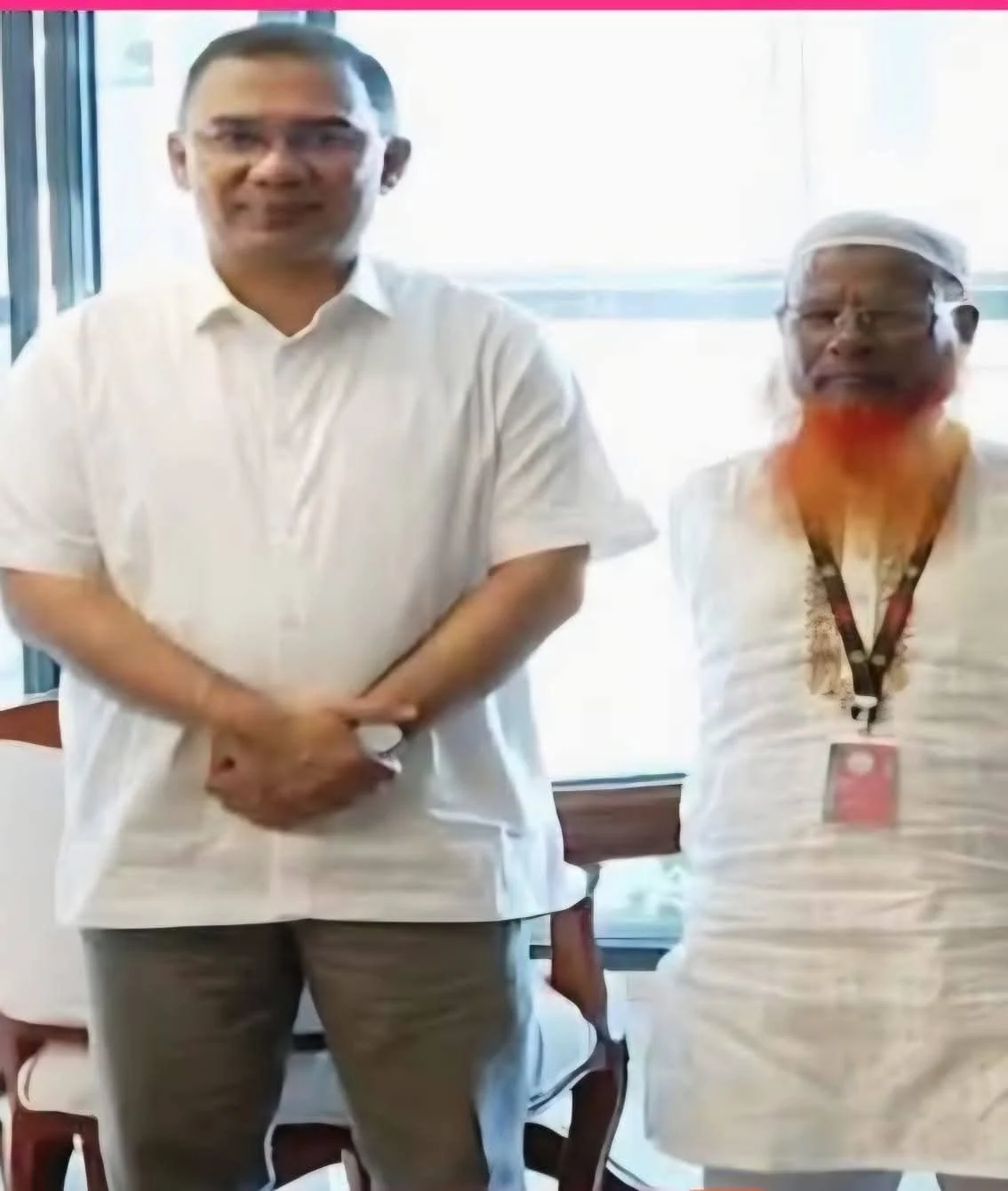
Like every year in Ramadan, Hazrat Allama Mufti Mujahid Uddin Choudhury Dubagi Sahib (RA) Trust distributed daily essential food items to more than a hundred poor and helpless families in his home in Dubag on the occasion of the holy month of Ramadan.

On February 26, after Zohar, the food distribution was formally held under the supervision of prominent village elder Mr. Abdul Jalil Choudhury. The distribution ceremony was attended by Maulana Abdul Malik, senior teacher of Zakiganj Gazir Mukam Madrasa, as the chief guest, while the special guest was Maulana Abdul Qadir, superintendent of Dubag Bazar Dakhil Madrasa, and other prominent figures from the local area included Maulana Kazi Abdul Qadir, Imam of South Dubag Central Jame Mosque, Maulana Mainul Islam, Imam of Dubag Maktab Mosque, Maulana Nazmul Islam, Imam of South Dubag Baitul Aman Jame Mosque, and others.

The speakers at the food distribution ceremony said that Dubag village is proud of its internationally renowned Islamic scholar, Pir-e-Kamil, Hazrat Allama Mufti Mujahid Uddin Choudhury Dubagi Saheb Qiblah (RA). Dubagi Saheb (RA) was not only a world-famous mufti, muhaddith or a renowned writer. He had also made a great contribution in the service of humanity.

He had played a commendable role in providing overall help and assistance to the poor orphans, widows, disabled and helpless people in various places of his own area and greater Sylhet. He used to extend a helping hand in the construction of mosques-madrasas etc. He would also extend his hands financially in providing education to orphans and poor people. He had played a unique role in all social activities including helping poor students, building and repairing houses for helpless people, installing tube wells for safe drinking water, helping people deprived of medical treatment, providing financial assistance for the marriage of girls from financially disadvantaged families, and providing overall help and assistance to the helpless people during various disasters and emergencies.

āφāϰāĻ“ āĻĒ⧜⧁āύāσ  āφāĻŽāĻŋ āϤ⧋āĻŽāĻžāϰ āϜāĻŽ āĻŽāĻžāϞāĻžāϕ⧁āϞ āĻŽāωāϤ āφāϜāϰāĻžāχāϞ

In addition, Allama Dubagi Saheb Rahmatullah Alaihi’s three competent Sahibzada did not forget the people of their homeland despite being abroad. They always help and assist the helpless and distressed people of Bangladesh.

The Messenger of Allah (peace and blessings of Allah be upon him) said: “When a person dies, his deeds come to an end except for three things: Sadaqah Jariyah (ceaseless charity); knowledge (by which people) benefit, or a virtuous descendant who prays for him (for the deceased)” SĖŖahĖŖiĖ„hĖŖ Muslim 1631. This hadith is applicable to Allama Dubagi Sahib Rahimahullah in every way.

Everyone present prayed to Allah from the bottom of their heart that the grave of this great scholar of Islam, Hazrat Allama Mufti Mujahid Uddin Choudhury Dubagi Sahib Qiblah Rahmatullah Alaihi, becomes a garden of paradise and raises his status. Also may Allah preserves all the services, legacy and memories left by Allama Dubagi Sahib (RA). The dua was led by Maulana Abdul Malik.

At the end, various food items including rice, dal, potatoes, oil, chickpeas and other food items were distributed. The poor and helpless families were very happy to receive these food items.

Tag :
āϜāύāĻĒā§āϰāĻŋ⧟ āύāĻŋāωāϜ

āĻ•āĻžāϞ⧀āĻ—āĻžā§āĻœā§‡ āĻĻ⧁āĻ°ā§āĻ—āĻžāĻĒā§‚āϜāĻžāϰ āύāĻŋāϰāĻžāĻĒāĻ¤ā§āϤāĻžā§Ÿ āφāύāϏāĻžāϰ-āĻ­āĻŋāĻĄāĻŋāĻĒāĻŋāϕ⧇ āĻāĻŽāĻĒāĻŋ āĻŽāĻŋāϞāύ⧇āϰ āĻĻāĻŋāĻ•āύāĻŋāĻ°ā§āĻĻ⧇āĻļāύāĻž

Distribution of Ramadan food pack by Allama Dubagi (RA) Trust

āϏāĻŽāϝāĻŧ: ā§Ļā§Ģ:⧍ā§Ē:ā§Ēā§Ē āĻĒā§‚āĻ°ā§āĻŦāĻžāĻšā§āύ, āĻŦ⧁āϧāĻŦāĻžāϰ, ā§§ā§Ž āĻŽāĻžāĻ°ā§āϚ ⧍ā§Ļ⧍ā§Ŧ


Like every year in Ramadan, Hazrat Allama Mufti Mujahid Uddin Choudhury Dubagi Sahib (RA) Trust distributed daily essential food items to more than a hundred poor and helpless families in his home in Dubag on the occasion of the holy month of Ramadan.

On February 26, after Zohar, the food distribution was formally held under the supervision of prominent village elder Mr. Abdul Jalil Choudhury. The distribution ceremony was attended by Maulana Abdul Malik, senior teacher of Zakiganj Gazir Mukam Madrasa, as the chief guest, while the special guest was Maulana Abdul Qadir, superintendent of Dubag Bazar Dakhil Madrasa, and other prominent figures from the local area included Maulana Kazi Abdul Qadir, Imam of South Dubag Central Jame Mosque, Maulana Mainul Islam, Imam of Dubag Maktab Mosque, Maulana Nazmul Islam, Imam of South Dubag Baitul Aman Jame Mosque, and others.

The speakers at the food distribution ceremony said that Dubag village is proud of its internationally renowned Islamic scholar, Pir-e-Kamil, Hazrat Allama Mufti Mujahid Uddin Choudhury Dubagi Saheb Qiblah (RA). Dubagi Saheb (RA) was not only a world-famous mufti, muhaddith or a renowned writer. He had also made a great contribution in the service of humanity.

He had played a commendable role in providing overall help and assistance to the poor orphans, widows, disabled and helpless people in various places of his own area and greater Sylhet. He used to extend a helping hand in the construction of mosques-madrasas etc. He would also extend his hands financially in providing education to orphans and poor people. He had played a unique role in all social activities including helping poor students, building and repairing houses for helpless people, installing tube wells for safe drinking water, helping people deprived of medical treatment, providing financial assistance for the marriage of girls from financially disadvantaged families, and providing overall help and assistance to the helpless people during various disasters and emergencies.

āφāϰāĻ“ āĻĒ⧜⧁āύāσ  ‘āĻ…āĻ¨ā§āϝ⧇āϰ āĻ…āĻĒāĻŽāĻžāύ āφāϰ āĻ…āϏāĻŽā§āĻŽāĻžāύ āĻ•āĻŦ⧇ āĻĨ⧇āϕ⧇ āωāĻĒāĻžāĻ°ā§āϜāύ⧇āϰ āĻŽāĻžāĻ§ā§āϝāĻŽ āĻšāϞ⧋?’: āĻŽā§‡āĻšāϜāĻžāĻŦā§€āύ

In addition, Allama Dubagi Saheb Rahmatullah Alaihi’s three competent Sahibzada did not forget the people of their homeland despite being abroad. They always help and assist the helpless and distressed people of Bangladesh.

The Messenger of Allah (peace and blessings of Allah be upon him) said: “When a person dies, his deeds come to an end except for three things: Sadaqah Jariyah (ceaseless charity); knowledge (by which people) benefit, or a virtuous descendant who prays for him (for the deceased)” SĖŖahĖŖiĖ„hĖŖ Muslim 1631. This hadith is applicable to Allama Dubagi Sahib Rahimahullah in every way.

Everyone present prayed to Allah from the bottom of their heart that the grave of this great scholar of Islam, Hazrat Allama Mufti Mujahid Uddin Choudhury Dubagi Sahib Qiblah Rahmatullah Alaihi, becomes a garden of paradise and raises his status. Also may Allah preserves all the services, legacy and memories left by Allama Dubagi Sahib (RA). The dua was led by Maulana Abdul Malik.

At the end, various food items including rice, dal, potatoes, oil, chickpeas and other food items were distributed. The poor and helpless families were very happy to receive these food items.