


Dhaka ⧧⧍:ā§Šā§¯ āĻĒā§‚āĻ°ā§āĻŦāĻžāĻšā§āύ, āĻļ⧁āĻ•ā§āϰāĻŦāĻžāϰ, ā§§ā§­ āϜ⧁āϞāĻžāχ ⧍ā§Ļ⧍ā§Ŧ, ā§§ āĻļā§āϰāĻžāĻŦāĻŖ ā§§ā§Ēā§Šā§Š āĻŦāĻ™ā§āĻ—āĻžāĻŦā§āĻĻ
āĻļāĻŋāϰāύāĻžāĻŽ:
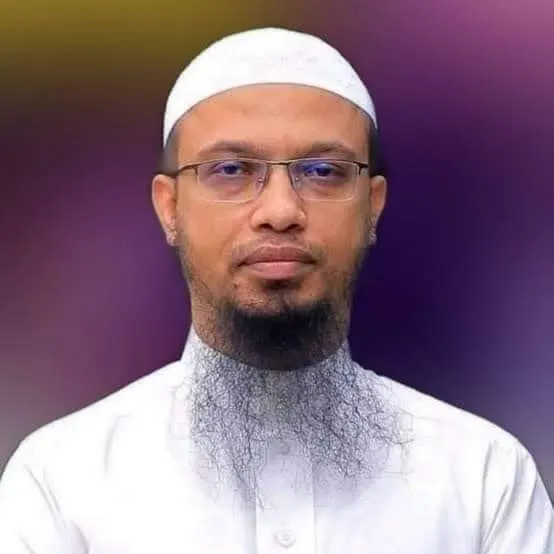
āφāϞ⧋āĻ•āĻŋāϤ āĻœā§€āĻŦāύ⧇āϰ āĻĒā§āϰāϤ⧀āĻ• āĻļāĻžāϝāĻŧāĻ– āφāĻšāĻŽāĻžāĻĻ⧁āĻ˛ā§āϞāĻžāĻš: āĻœā§āĻžāĻžāύ, āĻĻāĻžāĻ“āϝāĻŧāĻžāĻš āĻ“ āĻŽāĻžāύāĻŦāϏ⧇āĻŦāĻžāϝāĻŧ āĻāĻ• āĻ…āύāĻ¨ā§āϝ āĻ…āĻ§ā§āϝāĻžāϝāĻŧ āφāχāύāĻŋ āĻĒā§āϰāĻ•ā§āϰāĻŋ⧟āĻžā§Ÿ āĻŽāĻžāĻ¨ā§āĻĻāĻžā§Ÿ āĻ—āĻžāĻ› āĻ…āĻĒāϏāĻžāϰāĻŖ: āϏ⧜āĻ• āĻĒā§āϰāĻļāĻ¸ā§āϤ āĻ“ āĻĢāϏāϞāĻŋ āϜāĻŽāĻŋ āϰāĻ•ā§āώāĻžāϰ āωāĻĻā§āϝ⧋āĻ— āĻšāϰāĻŋāĻŖāĻžāϕ⧁āĻŖā§āĻĄā§āϤ⧇ āύāĻžāύāĻž āĻ†ā§Ÿā§‹āϜāύ⧇ ‘āϜ⧁āϞāĻžāχ āĻļāĻšā§€āĻĻ āĻĻāĻŋāĻŦāĻ¸â€™ āĻĒāĻžāϞāĻŋāϤ, āϏāĻŽāĻžāϧāĻŋāĻ¸ā§āϤ⧁āĻĒ⧇ āĻļā§āϰāĻĻā§āϧāĻžāĻžā§āϜāϞāĻŋ āĻ“ āφāϞ⧋āϚāύāĻž āϏāĻ­āĻž āϚāĻŸā§āϟāĻ—ā§āϰāĻžāĻŽā§‡ āϏ⧜āĻ• āϏāĻŽā§āĻĒā§āϰāϏāĻžāϰāϪ⧇āϰ āϏ⧁āĻĢāϞ āφāρāϟāϕ⧇ āϗ⧇āϛ⧇ āĻĻāĻ–āϞ āĻ“ āĻ…āĻŦ⧈āϧ āĻĒāĻžāĻ°ā§āĻ•āĻŋāĻ‚ā§Ÿā§‡ āĻļāĻšā§€āĻĻ āϰāĻžāĻˇā§āĻŸā§āϰāĻĒāϤāĻŋ āϜāĻŋ⧟āĻžāωāϰ āϰāĻšāĻŽāĻžāύ āĻšāĻ¤ā§āϝāĻžāĻ•āĻžāĻŖā§āĻĄ: ā§Ēā§Ģ āĻŦāĻ›āϰ āĻĒāϰ āĻ—ā§āϰ⧇āĻĒā§āϤāĻžāϰ āϏāĻžāĻŦ⧇āĻ• āĻŽā§‡āϜāϰ āĻŽā§‹. āĻŽā§‹āϜāĻžāĻĢāĻĢāϰ āĻšā§‹āϏ⧇āύ ā§Ēā§Ģ āĻŦāĻ›āϰ āĻĒāϰ āĻ—ā§āϰ⧇āĻĒā§āϤāĻžāϰ āϜāĻŋ⧟āĻžāωāϰ āϰāĻšāĻŽāĻžāύ āĻšāĻ¤ā§āϝāĻž āĻŽāĻžāĻŽāϞāĻžāϰ āĻŽā§ƒāĻ¤ā§āϝ⧁āĻĻāĻŖā§āĻĄāĻĒā§āϰāĻžāĻĒā§āϤ āĻŽā§‡āϜāϰ (āĻ…āĻŦ.) āĻŽā§‹āϜāĻžāĻĢāĻĢāϰ āφāϟāĻ• āĻĢ⧇āύ⧀ āĻšā§āϝāĻžāϰāĻŋāϟāĻŋ āĻĢāĻžāωāĻ¨ā§āĻĄā§‡āĻļāύ⧇āϰ āĻĒāĻ•ā§āώ āĻĨ⧇āϕ⧇ āĻœā§‡āϞāĻž āĻĒā§āϰāĻļāĻžāϏāĻ• āĻ“ āĻĒ⧁āϞāĻŋāĻļ āϏ⧁āĻĒāĻžāϰ āϕ⧇ āĻĢ⧁āϞ⧇āϰ āĻļ⧁āϭ⧇āĻšā§āĻ›āĻž āĻŸā§‡āĻ•ā§āϏāϟāĻžāχāϞ āĻ–āĻžāϤ āĻŦāĻžāρāϚāĻžāϤ⧇ āĻŦāĻžāĻ‚āϞāĻžāĻĻ⧇āĻļ āĻŦā§āϝāĻžāĻ‚āϕ⧇āϰ āĻ•āĻžāϛ⧇ āĻŦāĻŋāϟāĻŋāĻāĻŽāĻāϰ ā§§ā§Ļ āĻĻāĻĢāĻž āĻĻāĻžāĻŦāĻŋ āĻŽāϏāϜāĻŋāĻĻ⧇āϰ āĻŽāĻžāχāϕ⧇ āĻ˜ā§‹āώāĻŖāĻž, āĻĒ⧁āϞāĻŋāĻļ⧇āϰ āĻ“āĻĒāϰ āĻšāĻžāĻŽāϞāĻžāϰ āĻ…āĻ­āĻŋāϝ⧋āĻ—; āφāĻšāϤ āĻ“āϏāĻŋāϏāĻš ⧍ āĻŽā§ŸāĻŽāύāϏāĻŋāĻ‚āĻš āĻŽā§‡āĻĄāĻŋāϕ⧇āϞ⧇ āĻ°â€ā§āϝāĻžāĻŦ-ā§§ā§Ē-āĻāϰ āĻ…āĻ­āĻŋāϝāĻžāύ āĻĻāĻžāϞāĻžāϞ āϚāĻ•ā§āϰ⧇āϰ ā§§ā§Ē āϏāĻĻāĻ¸ā§āϝ āφāϟāĻ•
āĻŦāĻŋāĻœā§āĻžāĻžāĻĒāύ :
āĻœā§‡āϞāĻž-āωāĻĒāĻœā§‡āϞāĻž āĻ“ āĻŦāĻŋāĻ­āĻžāĻ—ā§€ā§Ÿ āĻšā§€āĻĢ āύāĻŋā§Ÿā§‹āĻ— āĻĻā§‡ā§ŸāĻž āĻšāĻšā§āϛ⧇āĨ¤ āϏāĻžāĻ‚āĻŦāĻžāĻĻāĻŋāĻ•āϤāĻžā§Ÿ āφāĻ—ā§āϰāĻšā§€āϰāĻž āĻĻā§āϰ⧁āϤ āϝ⧋āĻ—āĻžāϝ⧋āĻ— āĻ•āϰ⧁āύāĨ¤ āĻĒāϰ⧀āĻ•ā§āώāĻžāĻŽā§‚āϞāĻ• āϏāĻŽā§āĻĒā§āϰāϚāĻžāϰ āĻ“ āύāĻŋāĻŦāĻ¨ā§āϧāύ āĻĒā§āϰāĻ•ā§āϰāĻŋ⧟āĻžāϧ⧀āύ āĨ¤ āϏāĻŽā§āĻĒāĻĻāĻ•-āχāĻŽāĻĻāĻžāĻĻ⧁āϞ āĻšāĻ• āϤ⧈⧟āĻŦ-01711576603, āϏāĻŋāĻ­āĻŋ āĻĒāĻžāĻ āĻžāύ āĻāχ āχāĻŽā§‡āχāϞ⧇- editor.manobjibon@gmail.com

Human Rights Day: Our Responsibilities and the True Meaning of Celebration.

  • Reporter Name
  • āϏāĻŽāϝāĻŧ: ā§Ļā§Ģ:ā§¨ā§Š:ā§Ģā§Ŧ āĻĒā§‚āĻ°ā§āĻŦāĻžāĻšā§āύ, āϰāĻŦāĻŋāĻŦāĻžāϰ, ā§§ā§Ē āĻĄāĻŋāϏ⧇āĻŽā§āĻŦāϰ ⧍ā§Ļ⧍ā§Ģ
  • ā§§ā§Žā§Ģ Time View


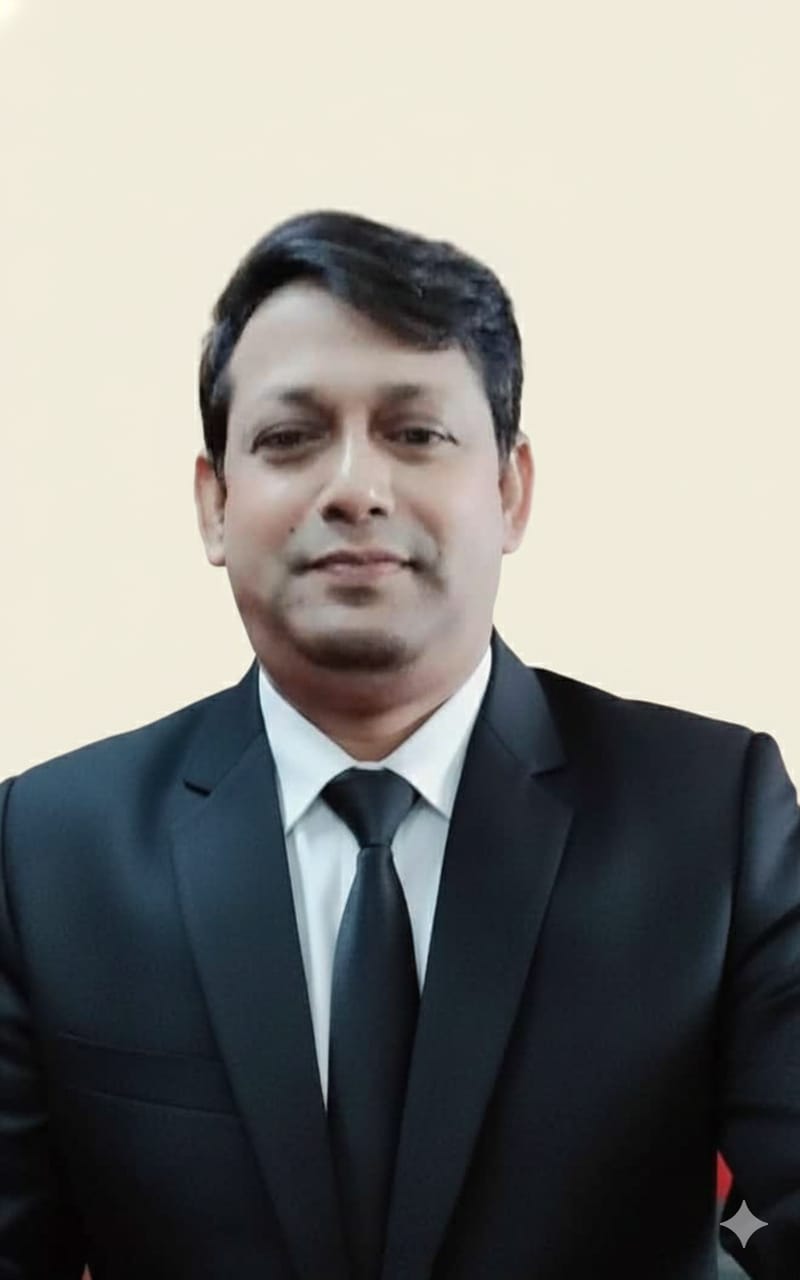
Bangladesh Law Assistance Center Foundation (BLAKF)By Advocate Md. Kamruzzaman Bhuiyan,

Today, 10 December, the world observes International Human Rights Day, celebrated across 158 countries through discussions, seminars, campaigns, and cultural events. The day serves as a powerful reminder of our collective responsibility to uphold human dignity, justice, and equality for all. It is not merely a day of celebration—rather, it is a day of reflection and renewed commitment.

Human Rights: The Foundation of Human Dignity. Human rights are the inherent rights of every individual, irrespective of nationality, religion, gender, or social status. These rights ensure that every human being is treated with dignity and fairness. Education, healthcare, security, freedom of speech, access to justice, and equality before the law—these are fundamental components of human rights and essential for a peaceful society.

Yet, around the world, human rights violations continue to challenge our conscience. This day compels us to examine these issues critically and to strengthen our commitment to protecting those whose rights are at risk.

The Human Rights Context in Bangladesh: Bangladesh faces numerous challenges related to human rights. Issues such as political instability, social inequality, violence against women, lack of legal awareness, and limited access to justice are still prevalent. Protecting human rights is therefore not the responsibility of the government alone; civil society, institutions, and individuals must all play a role.

This year, the International Human Rights Bangladesh Law Assistance Center Foundation (BLAKF)—led by Ms. Sagarika Islam and Mr. Moni Mohon Biswas—has taken several initiatives to observe the day meaningfully. Their programs aim to highlight the importance of human rights and to bring forward practical, community-based solutions through seminars, workshops, legal awareness sessions, and cultural activities.

āφāϰāĻ“ āĻĒ⧜⧁āύāσ  āχāϰāĻžāύ⧇āϰ āĻĻāĻžāĻŦāĻŋ: āĻŽāĻžāĻ°ā§āĻ•āĻŋāύ āĻāĻŽāĻ•āĻŋāω-⧝ āϰāĻŋāĻĒāĻžāϰ āĻĄā§āϰ⧋āύ āĻ­ā§‚āĻĒāĻžāϤāĻŋāϤ

Raising Awareness Through Education: Awareness is the first step toward change. To build a society that respects human rights, we must educate our youth—because today’s learners are tomorrow’s protectors of justice and equality.
Through BLAKF’s educational programs, students are encouraged to understand the origin, significance, and real-world applications of human rights. This knowledge empowers them to speak against injustice and become advocates for a fair society.

Human Rights Protection Requires Collective Effort: Human rights cannot be safeguarded by individual efforts alone. It is a collective responsibility shared by the government, communities, organizations, and each citizen. Only when all stakeholders work together can we build a society where every human being is valued and protected.

On this Human Rights Day, let us all raise our voices against injustice. Let us commit ourselves to defending the rights of others—even when our personal interests are not involved. Human rights protection is not an optional act of kindness; it is a duty that binds us all.

A Critical Reflection: Are We Truly Helping?

Despite many writings, speeches, and publications on human rights, real change remains limited. Many authors write extensively, yet their work does not always translate into practical support for people in need.
As the author, I firmly believe:

“Writing alone is not enough—our words must lead to action, and our action must contribute to real change.”
— Advocate Md. Kamruzzaman Bhuiyan

Today, let us renew our commitment not only to talk about human rights but also to work for them in meaningful, practical ways.

Thus, International Human Rights Day calls us to unite, reflect, and act. Let us ensure that the celebration of this day becomes more than a symbolic gesture—let it become the beginning of a stronger, more humane Bangladesh. Under the leadership of Ms. Sagarika Islam and Mr. Moni Mohon Biswas, BLAKF’s initiatives can serve as a new milestone toward building a just and equitable society.

āφāϰāĻ“ āĻĒ⧜⧁āύāσ  āĻŸā§‡āĻ•ā§āϏāϟāĻžāχāϞ āĻ–āĻžāϤ āĻŦāĻžāρāϚāĻžāϤ⧇ āĻŦāĻžāĻ‚āϞāĻžāĻĻ⧇āĻļ āĻŦā§āϝāĻžāĻ‚āϕ⧇āϰ āĻ•āĻžāϛ⧇ āĻŦāĻŋāϟāĻŋāĻāĻŽāĻāϰ ā§§ā§Ļ āĻĻāĻĢāĻž āĻĻāĻžāĻŦāĻŋ

Today, let us promise to uphold human dignity, protect justice, and work fearlessly for a society where every individual’s rights are fully respected.

Tag :
āϜāύāĻĒā§āϰāĻŋ⧟ āύāĻŋāωāϜ

āφāϞ⧋āĻ•āĻŋāϤ āĻœā§€āĻŦāύ⧇āϰ āĻĒā§āϰāϤ⧀āĻ• āĻļāĻžāϝāĻŧāĻ– āφāĻšāĻŽāĻžāĻĻ⧁āĻ˛ā§āϞāĻžāĻš: āĻœā§āĻžāĻžāύ, āĻĻāĻžāĻ“āϝāĻŧāĻžāĻš āĻ“ āĻŽāĻžāύāĻŦāϏ⧇āĻŦāĻžāϝāĻŧ āĻāĻ• āĻ…āύāĻ¨ā§āϝ āĻ…āĻ§ā§āϝāĻžāϝāĻŧ

Human Rights Day: Our Responsibilities and the True Meaning of Celebration.

āϏāĻŽāϝāĻŧ: ā§Ļā§Ģ:ā§¨ā§Š:ā§Ģā§Ŧ āĻĒā§‚āĻ°ā§āĻŦāĻžāĻšā§āύ, āϰāĻŦāĻŋāĻŦāĻžāϰ, ā§§ā§Ē āĻĄāĻŋāϏ⧇āĻŽā§āĻŦāϰ ⧍ā§Ļ⧍ā§Ģ


Bangladesh Law Assistance Center Foundation (BLAKF)By Advocate Md. Kamruzzaman Bhuiyan,

Today, 10 December, the world observes International Human Rights Day, celebrated across 158 countries through discussions, seminars, campaigns, and cultural events. The day serves as a powerful reminder of our collective responsibility to uphold human dignity, justice, and equality for all. It is not merely a day of celebration—rather, it is a day of reflection and renewed commitment.

Human Rights: The Foundation of Human Dignity. Human rights are the inherent rights of every individual, irrespective of nationality, religion, gender, or social status. These rights ensure that every human being is treated with dignity and fairness. Education, healthcare, security, freedom of speech, access to justice, and equality before the law—these are fundamental components of human rights and essential for a peaceful society.

Yet, around the world, human rights violations continue to challenge our conscience. This day compels us to examine these issues critically and to strengthen our commitment to protecting those whose rights are at risk.

The Human Rights Context in Bangladesh: Bangladesh faces numerous challenges related to human rights. Issues such as political instability, social inequality, violence against women, lack of legal awareness, and limited access to justice are still prevalent. Protecting human rights is therefore not the responsibility of the government alone; civil society, institutions, and individuals must all play a role.

This year, the International Human Rights Bangladesh Law Assistance Center Foundation (BLAKF)—led by Ms. Sagarika Islam and Mr. Moni Mohon Biswas—has taken several initiatives to observe the day meaningfully. Their programs aim to highlight the importance of human rights and to bring forward practical, community-based solutions through seminars, workshops, legal awareness sessions, and cultural activities.

āφāϰāĻ“ āĻĒ⧜⧁āύāσ  āĻŸā§‡āĻ•ā§āϏāϟāĻžāχāϞ āĻ–āĻžāϤ āĻŦāĻžāρāϚāĻžāϤ⧇ āĻŦāĻžāĻ‚āϞāĻžāĻĻ⧇āĻļ āĻŦā§āϝāĻžāĻ‚āϕ⧇āϰ āĻ•āĻžāϛ⧇ āĻŦāĻŋāϟāĻŋāĻāĻŽāĻāϰ ā§§ā§Ļ āĻĻāĻĢāĻž āĻĻāĻžāĻŦāĻŋ

Raising Awareness Through Education: Awareness is the first step toward change. To build a society that respects human rights, we must educate our youth—because today’s learners are tomorrow’s protectors of justice and equality.
Through BLAKF’s educational programs, students are encouraged to understand the origin, significance, and real-world applications of human rights. This knowledge empowers them to speak against injustice and become advocates for a fair society.

Human Rights Protection Requires Collective Effort: Human rights cannot be safeguarded by individual efforts alone. It is a collective responsibility shared by the government, communities, organizations, and each citizen. Only when all stakeholders work together can we build a society where every human being is valued and protected.

On this Human Rights Day, let us all raise our voices against injustice. Let us commit ourselves to defending the rights of others—even when our personal interests are not involved. Human rights protection is not an optional act of kindness; it is a duty that binds us all.

A Critical Reflection: Are We Truly Helping?

Despite many writings, speeches, and publications on human rights, real change remains limited. Many authors write extensively, yet their work does not always translate into practical support for people in need.
As the author, I firmly believe:

“Writing alone is not enough—our words must lead to action, and our action must contribute to real change.”
— Advocate Md. Kamruzzaman Bhuiyan

Today, let us renew our commitment not only to talk about human rights but also to work for them in meaningful, practical ways.

Thus, International Human Rights Day calls us to unite, reflect, and act. Let us ensure that the celebration of this day becomes more than a symbolic gesture—let it become the beginning of a stronger, more humane Bangladesh. Under the leadership of Ms. Sagarika Islam and Mr. Moni Mohon Biswas, BLAKF’s initiatives can serve as a new milestone toward building a just and equitable society.

āφāϰāĻ“ āĻĒ⧜⧁āύāσ  āφāϞ⧋āĻ•āĻŋāϤ āĻœā§€āĻŦāύ⧇āϰ āĻĒā§āϰāϤ⧀āĻ• āĻļāĻžāϝāĻŧāĻ– āφāĻšāĻŽāĻžāĻĻ⧁āĻ˛ā§āϞāĻžāĻš: āĻœā§āĻžāĻžāύ, āĻĻāĻžāĻ“āϝāĻŧāĻžāĻš āĻ“ āĻŽāĻžāύāĻŦāϏ⧇āĻŦāĻžāϝāĻŧ āĻāĻ• āĻ…āύāĻ¨ā§āϝ āĻ…āĻ§ā§āϝāĻžāϝāĻŧ

Today, let us promise to uphold human dignity, protect justice, and work fearlessly for a society where every individual’s rights are fully respected.